Recombinant Human DNA dC->dU-editing enzyme APOBEC-3G (APOBEC3G)
-
品名簡稱:Recombinant Human APOBEC3G protein
-
貨號:CSB-CF888025HU
-
說明書:
-
規格:¥5268
-
圖片:
-
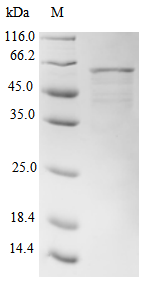 (Tris-Glycine gel) Discontinuous SDS-PAGE (reduced) with 5% enrichment gel and 15% separation gel.
-
-
其他:
產品詳情
-
純度:Greater than 85% as determined by SDS-PAGE.
-
基因名:APOBEC3G
-
Uniprot No.:
-
種屬:Homo sapiens (Human)
-
蛋白長度:Full Length
-
來源:in vitro E.coli expression system
-
分子量:62.4 kDa
-
表達區域:1-384aa
-
氨基酸序列MKPHFRNTVERMYRDTFSYNFYNRPILSRRNTVWLCYEVKTKGPSRPPLDAKIFRGQVYSELKYHPEMRFFHWFSKWRKLHRDQEYEVTWYISWSPCTKCTRDMATFLAEDPKVTLTIFVARLYYFWDPDYQEALRSLCQKRDGPRATMKIMNYDEFQHCWSKFVYSQRELFEPWNNLPKYYILLHIMLGEILRHSMDPPTFTFNFNNEPWVRGRHETYLCYEVERMHNDTWVLLNQRRGFLCNQAPHKHGFLEGRHAELCFLDVIPFWKLDLDQDYRVTCFTSWSPCFSCAQEMAKFISKNKHVSLCIFTARIYDDQGRCQEGLRTLAEAGAKISIMTYSEFKHCWDTFVDHQGCPFQPWDGLDEHSQDLSGRLRAILQNQEN
Note: The complete sequence may include tag sequence, target protein sequence, linker sequence and extra sequence that is translated with the protein sequence for the purpose(s) of secretion, stability, solubility, etc.
If the exact amino acid sequence of this recombinant protein is critical to your application, please explicitly request the full and complete sequence of this protein before ordering. -
蛋白標簽:N-terminal 6xHis-SUMO-tagged
-
產品提供形式:Liquid or Lyophilized powder
Note: We will preferentially ship the format that we have in stock, however, if you have any special requirement for the format, please remark your requirement when placing the order, we will prepare according to your demand. -
緩沖液:If the delivery form is liquid, the default storage buffer is Tris/PBS-based buffer, 5%-50% glycerol. If the delivery form is lyophilized powder, the buffer before lyophilization is Tris/PBS-based buffer, 6% Trehalose.
-
復溶:We recommend that this vial be briefly centrifuged prior to opening to bring the contents to the bottom. Please reconstitute protein in deionized sterile water to a concentration of 0.1-1.0 mg/mL.We recommend to add 5-50% of glycerol (final concentration) and aliquot for long-term storage at -20°C/-80°C. Our default final concentration of glycerol is 50%. Customers could use it as reference.
-
儲存條件:Store at -20°C/-80°C upon receipt, aliquoting is necessary for mutiple use. Avoid repeated freeze-thaw cycles.
-
保質期:The shelf life is related to many factors, storage state, buffer ingredients, storage temperature and the stability of the protein itself.
Generally, the shelf life of liquid form is 6 months at -20°C/-80°C. The shelf life of lyophilized form is 12 months at -20°C/-80°C. -
貨期:Delivery time may differ from different purchasing way or location, please kindly consult your local distributors for specific delivery time.
-
注意事項:Repeated freezing and thawing is not recommended. Store working aliquots at 4°C for up to one week.
-
Datasheet & COA:Please contact us to get it.
產品評價

相關產品
靶點詳情
-
功能:DNA deaminase (cytidine deaminase) which acts as an inhibitor of retrovirus replication and retrotransposon mobility via deaminase-dependent and -independent mechanisms. Exhibits potent antiviral activity against Vif-deficient HIV-1. After the penetration of retroviral nucleocapsids into target cells of infection and the initiation of reverse transcription, it can induce the conversion of cytosine to uracil in the minus-sense single-strand viral DNA, leading to G-to-A hypermutations in the subsequent plus-strand viral DNA. The resultant detrimental levels of mutations in the proviral genome, along with a deamination-independent mechanism that works prior to the proviral integration, together exert efficient antiretroviral effects in infected target cells. Selectively targets single-stranded DNA and does not deaminate double-stranded DNA or single- or double-stranded RNA. Exhibits antiviral activity also against simian immunodeficiency viruses (SIVs), hepatitis B virus (HBV), equine infectious anemia virus (EIAV), xenotropic MuLV-related virus (XMRV) and simian foamy virus (SFV). May inhibit the mobility of LTR and non-LTR retrotransposons.
-
基因功能參考文獻:
- It has been shown that HCMV has evolved mutational robustness against IFN-beta by limiting the presence of APOBEC3G hot spots in essential open reading frames of its genome. PMID: 30045985
- We found that A3G regulates the expression of several cellular proteins, which influences the capacity of the host cell to replicate measles virus. PMID: 29925665
- Low APOBEC3G expression is associated with HIV-1 replication. PMID: 29677220
- study concludes that hA3G may restrict porcine endogenous retrovirus (PERV) by both deamination-dependent mechanisms and inhibition of DNA strand transfer during PERV reverse transcription. PMID: 29610985
- two stem-loop structures within the 5'-untranslated region of A3G mRNA are crucial for translation inhibition by Vif in HIV-infected cells, and most Vif alleles neutralize A3G translation efficiently PMID: 27996044
- DNA substrate selection by APOBEC3G PMID: 29596531
- these findings indicate that A3G is associated with cervical intraepithelial neoplasia , suggesting its important roles in human papillomavirus-induced pathophysiological processes such as cervical intraepithelial neoplasia progression and viral elimination PMID: 28590025
- These findings report genetic variants possibly associated with susceptibility to HIV-1 infection (CUL5 rs11212495, rs7103534, rs7117111) and partial viral load control (APOBEC3G rs2294367). PMID: 28302043
- analysis indicated that IL-6 also increased the expression of A3B through JAK1/STAT3 signaling pathway, which formed a positive feedback to maintain the continuous expression of A3B and IL-6, and thereby promoted the prolonged non-resolving inflammation PMID: 28646470
- The goal of this methods review is through example of our research on APOBEC3G, describe the application of cross-linking methods to characterize and quantify macromolecular interactions and their functional implications PMID: 26988126
- Our results identify APOBEC3G as a new candidate biomarker for tumor-infiltrating T lymphocytes and favorable prognoses for HGSOC. PMID: 27016308
- propose that APOBEC3G has the ability to induce T cell plasticity and modulate immune response. PMID: 27282578
- The results show for the first time the nuclear translocation of A3G in activated-proliferating CD4(+) T cells. PMID: 26987686
- Mouse mammary tumour virus only moderately susceptible to inhibition by the human APOBEC3G. PMID: 28809145
- Data suggest that heat shock proteins, in particular Hsp90, stimulate APOBEC3-mediated DNA deamination activity toward hepatitis B viral DNA, suggesting a potential physiological role in mutagenesis/carcinogenesis and viral innate immunity; Hsp90 stimulates deamination activity of APOBEC3G, APOBEC3B, and APOBEC3C during co-expression in human liver HepG2 cells. PMID: 28637869
- Study indicates that the A3G rs8177832 polymorphism is associated with a decreased risk of chronic hepatitis B virus infection and hepatocellular carcinoma (HCC), while the rs2011861 polymorphism is associated with an increased risk of HCC. PMID: 28127197
- APOBEC3G through its variants rs6001417, rs8177832, and rs35228531, in this study interferes with HIV-1/HBV co-infection could be due the HIV-1 mono-infection in a population from Burkina Faso. PMID: 27449138
- APOBEC3DE binds to itself, APOBEC3F, and APOBEC3G and antagonizes APOBEC3F and, to a lesser extent, APOBEC3G restriction of hepatitis B virus replication. PMID: 27289067
- cyclin F functions as an intrinsic cellular regulator of HIV-1 Vif and has a negative regulatory effect on the maintenance of viral infectivity by restoring APOBEC3G expression. Gene Indexing Project Expand All Collapse All PMID: 28184007
- These results indicate that APOBEC3 proteins can be copackaged and can comutate the same genomes, and can cooperate to inhibit HIV replication. PMID: 27439715
- Here, the authors show that APOBEC3G polyubiquitination is essential for its HIV-1 vif-induced degradation. PMID: 27297094
- DNA mutagenic activity and capacity for HIV-1 restriction of the cytidine deaminase APOBEC3G depend on whether DNA or RNA binds to tyrosine 315 PMID: 28381554
- The findings suggest that APOBEC3G polymorphisms alone may not have significant predictive power for inferring genetic susceptibility to vertical transmission of HIV in children perinatally exposed to HIV PMID: 27245545
- APOBEC3G binds viral RNA and DNA in vitro; this binding may constitute the basis of APOBEC3G antiviral activity. PMID: 28029777
- an APOBEC3F/APOBEC3G hetero-oligomer can form that has unique properties compared to each APOBEC3 alone. This hetero-oligomer has increased efficiency of virus hypermutation, raising the idea that we still may not fully realize the antiviral mechanisms of endogenous APOBEC3 enzymes. Hetero-oligomerization may be a mechanism to increase their antiviral activity in the presence of Vif. PMID: 27881650
- using novel human A3G transgenic mouse models that express varying levels of A3G as is seen in humans, this study clearly demonstrates that polymorphic vif alleles can have differential anti-A3G activity in vivo PMID: 27363431
- thousands of mutation clusters introduced along primate evolution which exhibit features that strongly fit the known patterns of APOBEC3G mutagenesis. These results suggest that APOBEC3G-induced mutations have contributed to the evolution of all genomes PMID: 27056836
- the effect of APOBEC3G over-expression upon AATF gene expression, was examined. PMID: 27611213
- The results disclosed no association between the single nucleotide polymorphisms of APOBEC3G and susceptibility to HIV-1, or effects of these polymorphisms on the CD4(+) T cell count or clinical phase of disease. PMID: 27730383
- APOBEC-3G serves as a suppressor of cervical cancer cell proliferation and invasion. PMID: 26722417
- Findings support a role for APOBEC3G/F proteins in the generation of plasma drug-resistant minority human immunodeficiency virus type 1 variants (DRMVs). However, this role seems to be limited to a small subset of mutations and does not explain most of the DRMVs evaluated. PMID: 26482266
- STAT3 plays an important role in IFN-induced A3G production, and HBsAg may correlated with poor response to IFN treatment PMID: 27003258
- Atomic Force spectroscopy revealed two distinct binding modes by which A3G interacts with ssDNA. One mode requires sequence specificity, as demonstrated by stronger and more stable complexes with deaminase specific ssDNA than with nonspecific ssDNA. PMID: 26503602
- results demonstrate that the up-regulation of A3G in pancreatic cancer cells induces anoikis resistance, and they provide novel insight into the mechanism by which A3G affects the malignant behavior of pancreatic cancer cells PMID: 26178819
- Data show that restriction factor APOBEC3G (A3G) is susceptible to degradation by the HIV-1 Vif protein, whereas restriction factor APOBEC3B (A3B) is resistant to Vif. PMID: 26668372
- This study demonstrates an association of rs6001417, rs8177832, and rs35228531 of APOBEC3G with HIV-1 infection in a population from Burkina Faso. PMID: 26741797
- Results were consistent with Pokeweed antiviral protein activity inhibiting translation of Vif, which in turn reduces the effect of Vif to inactivate the host restriction factor APOBEC3G. PMID: 26275799
- USF1 gene can take part in basal transcription regulation of the human A3G gene in hepatocyte, and the identified E-box represented a binding site for the USF1. PMID: 26772882
- Incomplete APOBEC3G/F neutralization by a single Vif amino acid substitution. PMID: 26055363
- This study identifies a new cellular complex, HDAC6/A3G, involved in the autophagic degradation of Vif, and suggests that HDAC6 represents a new antiviral factor capable of controlling HIV-1 infectiveness by counteracting Vif and its functions. PMID: 26105074
- Human APOBEC3G C-terminal directly binds hepatitis C virus non-structural protein NS3 at its C-terminus. PMID: 25811715
- The data predicts a mechanistic model of RNA inhibition of ssDNA binding to APOBEC3G in which competitive and allosteric interactions determine RNA-bound versus ssDNA-bound conformational states. PMID: 26424853
- This study showed a high level of APOBEC3F/3G editing in HIV-2 sequences from antiretroviral-naive patients. PMID: 25985400
- upregulated in the skin of Lichen planus patients PMID: 25384438
- APOBEC3G is more efficient at mutating retroviral DNA than APOBEC3F. PMID: 26048885
- A3G and A3F inhibit porcine endogenous retrovirus replication. PMID: 26016442
- These results highlight that the N-terminal domain of the full length A3G protein has an important influence on its DNA sequence specificity and mutator activity. PMID: 25974865
- Vif continues to protect HIV-1 from the deleterious effects of APOBEC3G, even after packaging of APOBEC3G has occurred. PMID: 25304135
- The rather indiscriminate RNA binding characteristics of A3G and A3F promote functionality by enabling recruitment into a wide range of retroviral particles whose packaged RNA genomes comprise divergent sequences. PMID: 25590131
- It may be concluded hepatitis B virus up-regulates HBD-3 and A3G expression in vivo and in vitro in placental trophoblast and lack of this up-regulation is possibly associated with intrauterine transmission of hepatitis B. PMID: 25196417
顯示更多
收起更多
-
亞細胞定位:Cytoplasm. Nucleus. Cytoplasm, P-body. Note=Mainly cytoplasmic. Small amount are found in the nucleus. During HIV-1 infection, virion-encapsidated in absence of HIV-1 Vif.
-
蛋白家族:Cytidine and deoxycytidylate deaminase family
-
組織特異性:Expressed in spleen, testes, ovary and peripheral blood leukocytes and CD4+ lymphocytes. Also expressed in non-permissive peripheral blood mononuclear cells, and several tumor cell lines; no expression detected in permissive lymphoid and non-lymphoid cell
-
數據庫鏈接:
Most popular with customers
-
-AC1.jpg)
Recombinant Human T-cell surface protein tactile (CD96), partial (Active)
Express system: Mammalian cell
Species: Homo sapiens (Human)
-
f4-AC1.jpg)
Recombinant Human Claudin-6 (CLDN6)-VLPs, Fluorescent (Active)
Express system: Mammalian cell
Species: Homo sapiens (Human)
-
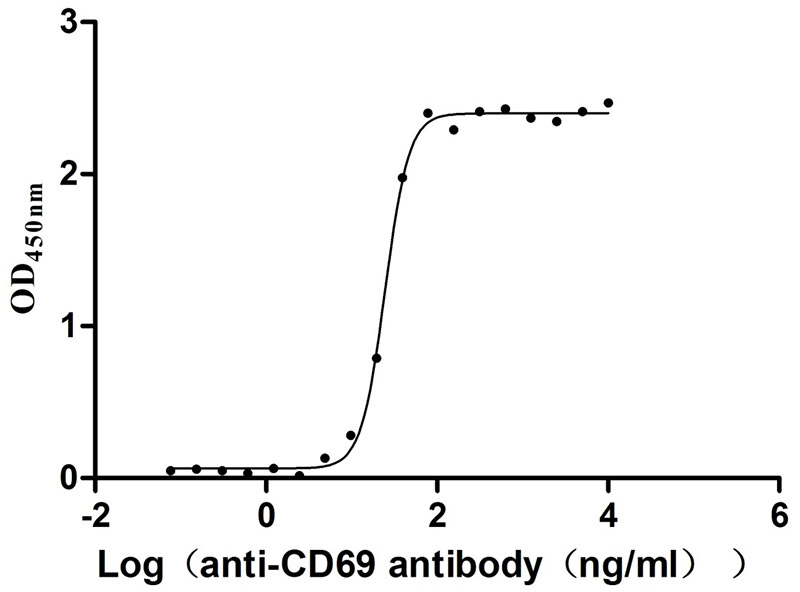
Recombinant Human Early activation antigen CD69 (CD69), partial (Active)
Express system: Mammalian cell
Species: Homo sapiens (Human)
-
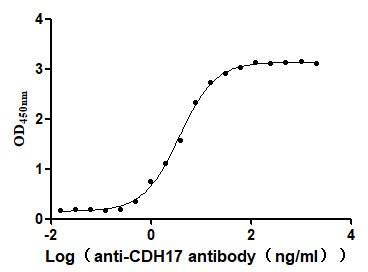
Recombinant Human Cadherin-17 (CDH17), partial (Active)
Express system: Mammalian cell
Species: Homo sapiens (Human)
-
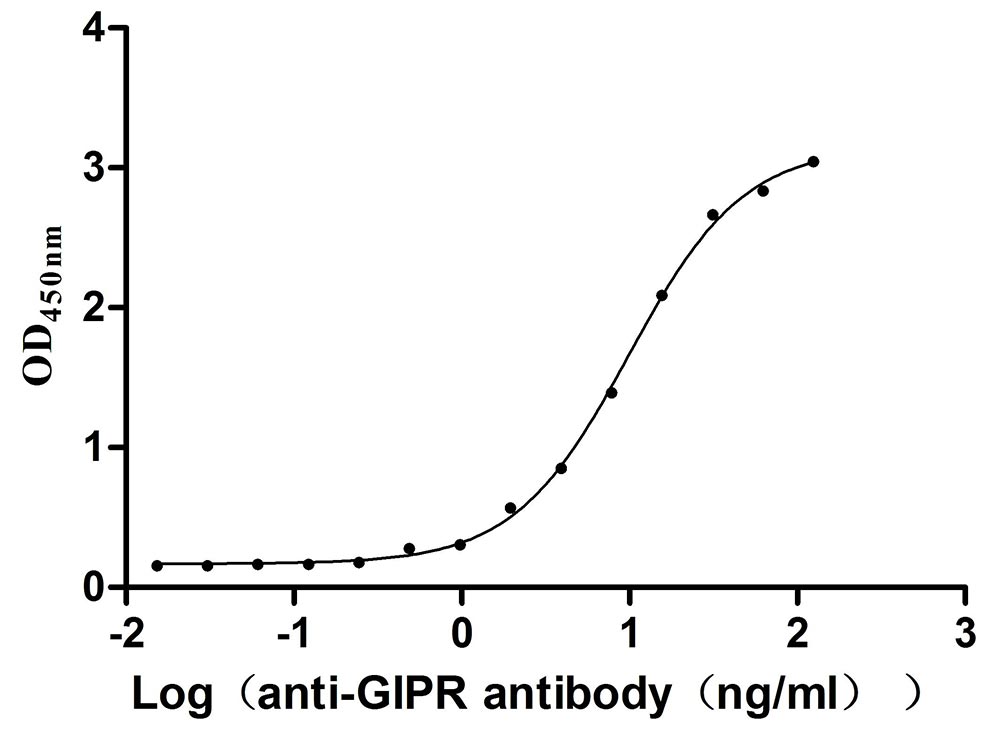
Recombinant Mouse Gastric inhibitory polypeptide receptor (Gipr), partial (Active)
Express system: Mammalian cell
Species: Mus musculus (Mouse)
-
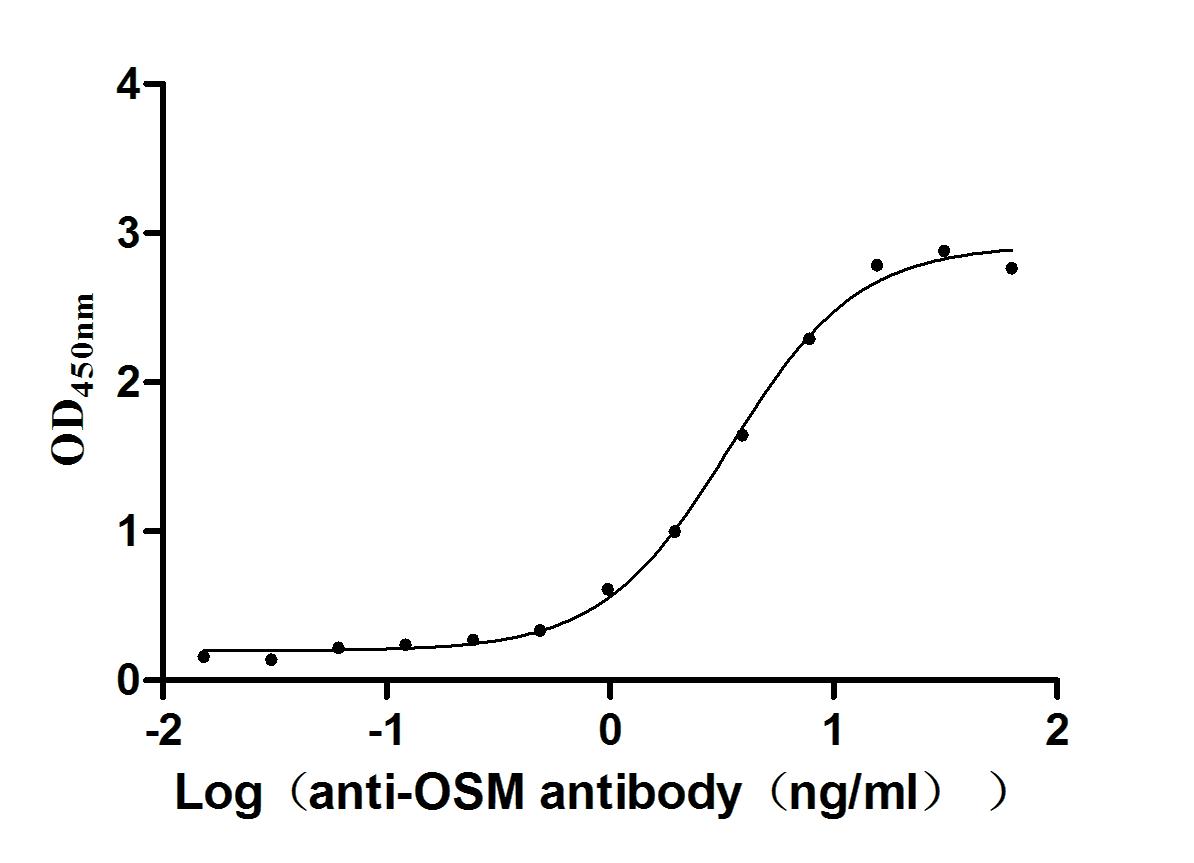
Recombinant Human Oncostatin-M (OSM), partial (Active)
Express system: Mammalian cell
Species: Homo sapiens (Human)
-
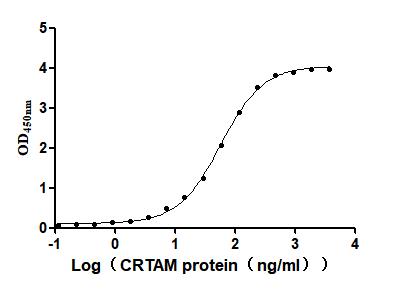
Recombinant Mouse Cytotoxic and regulatory T-cell molecule (Crtam), partial (Active)
Express system: Mammalian cell
Species: Mus musculus (Mouse)
-
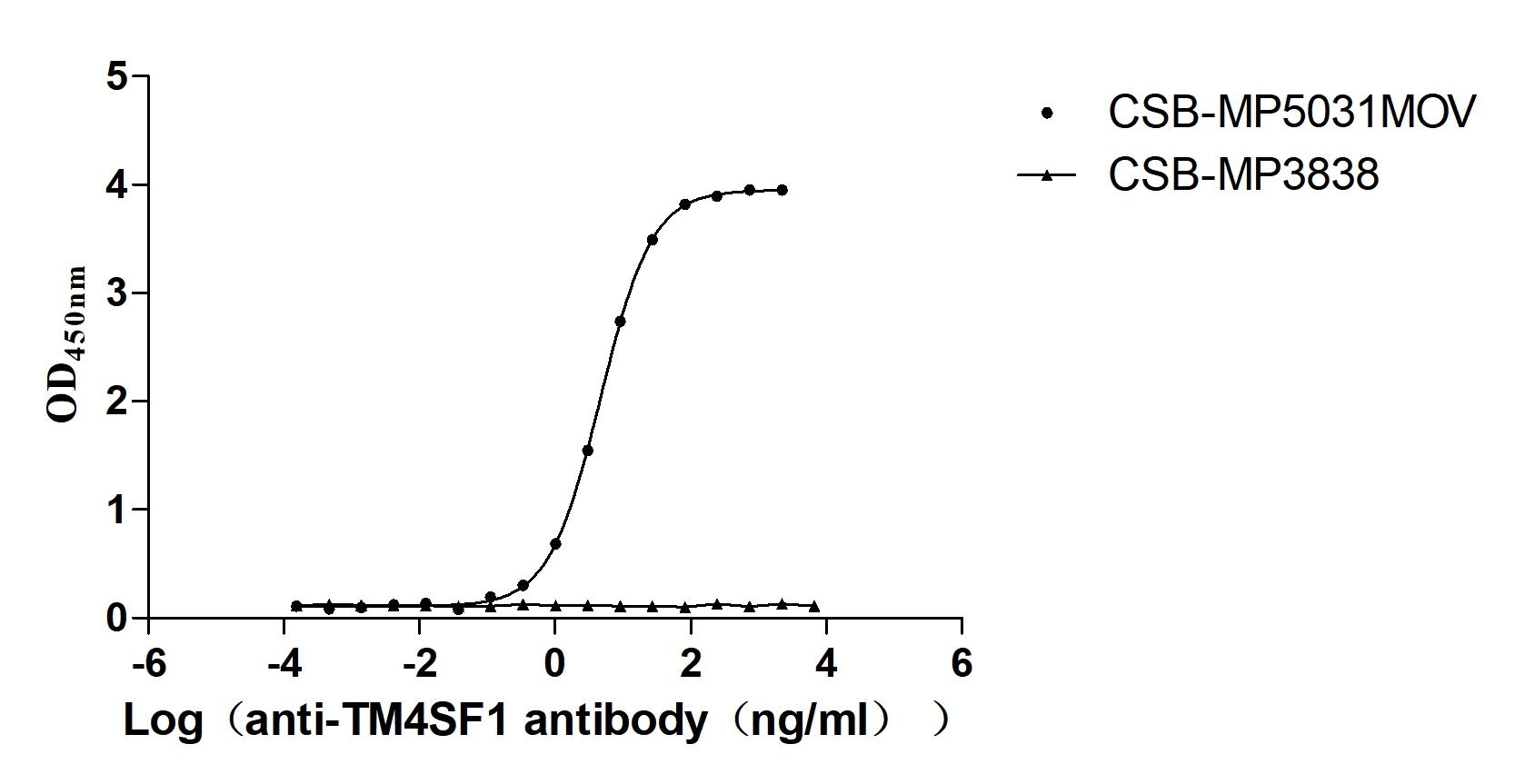
Recombinant Macaca fascicularis Transmembrane 4 L6 family member 1 (TM4SF1)-VLPs (Active)
Express system: Mammalian cell
Species: Macaca fascicularis (Crab-eating macaque) (Cynomolgus monkey)